
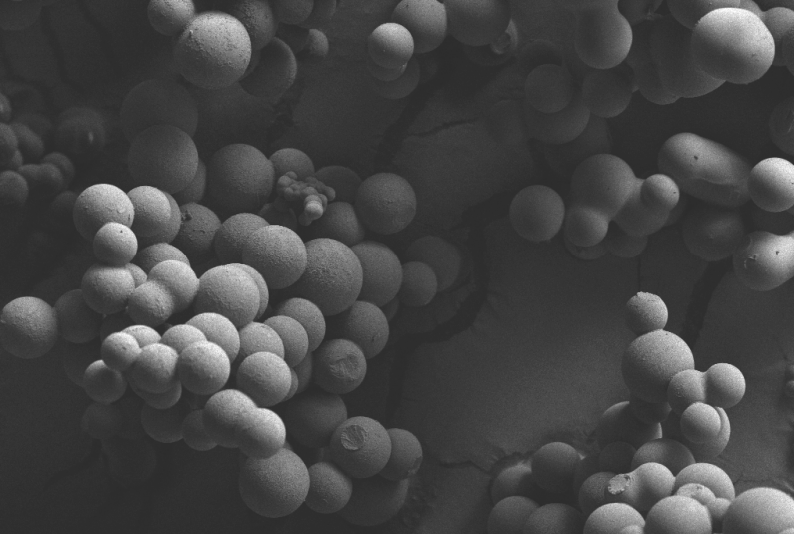
What is biomethane and its differences with biogas

The world is moving toward a cleaner, more sustainable and efficient energy model. Along this path, biomethane is gaining prominence as one of the most promising alternatives to natural gas. It’s not just a renewable energy source: it’s also an innovative solution that turns waste into resources, promotes the circular economy and helps reduce pollutant emissions.
Understanding what biomethane is, how it is obtained from biogas and how it differs from natural gas is key to appreciating its role in the energy transition. In this post we explain it clearly and accessibly, highlighting its benefits and the enormous potential it has to transform the environmental and energy sector.
What is biomethane
Biomethane is a renewable gas obtained from biogas that has a composition very similar to natural gas. Its main component is methane (CH₄), which allows it to be used in the same energy applications as fossil gas: heating, power generation or vehicle fuel.
The great advantage of biomethane is that it does not depend on fossil resources extracted from the subsoil. It is generated from organic waste and by‑products that, instead of being an environmental problem, are transformed into a clean, sustainable and economically viable energy source.
In other words: while natural gas comes from geological processes that took millions of years to form, biomethane is a renewable gas that we can obtain in a matter of weeks thanks to the action of microorganisms.
How biomethane is produced from biogas
To understand how biomethane is obtained, it is necessary first to know what biogas is. Biogas is generated through anaerobic digestion, a biological process in which bacteria and other microorganisms degrade organic matter in the absence of oxygen.
During this process, waste (such as sewage sludge, agricultural residues or manure) is transformed into a gaseous mixture composed mainly of methane (between 45% and 75%) and carbon dioxide (between 25% and 50%), plus small amounts of compounds such as hydrogen sulfide or ammonia. That mixture is biogas.
To convert this biogas into biomethane an additional step is required: upgrading or purification. This consists of separating carbon dioxide and other unwanted compounds to enrich the mixture in methane until concentrations exceed 95%. The result is a gas with characteristics equivalent to natural gas and ready for injection into the gas grid or for direct use.
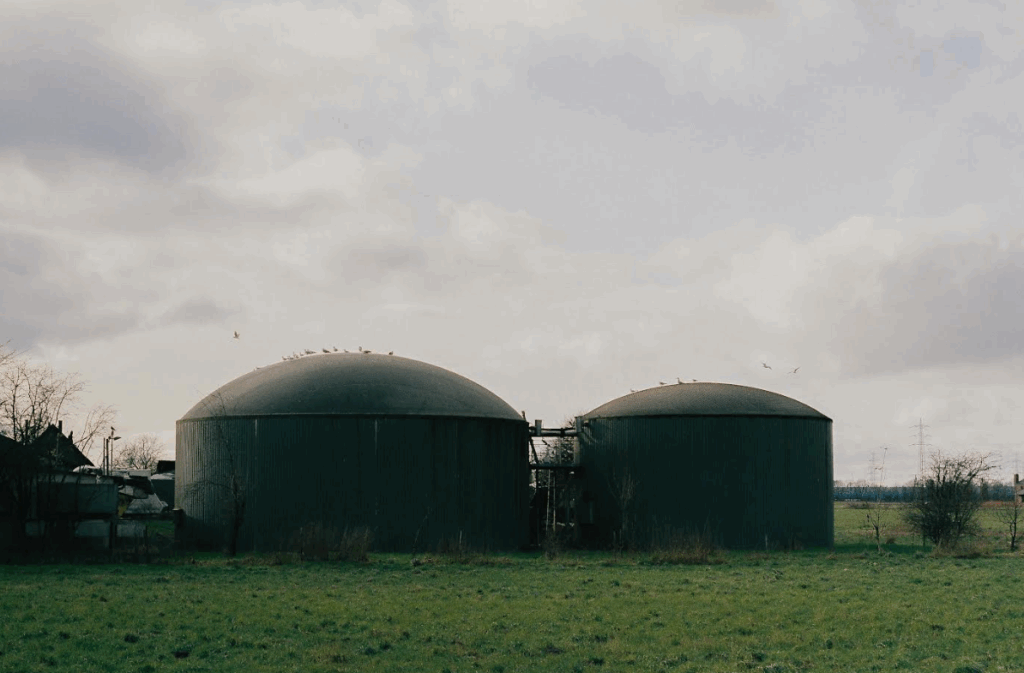
Biogas and biomethane
Biogas and biomethane are closely related, but they are not the same:
- Biogas is the direct result of the anaerobic digestion of organic waste and is made up of a mixture of methane, carbon dioxide and small impurities. It can be used locally to produce electricity and heat in cogeneration engines or in specific boilers.
- Biomethane, on the other hand, is biogas that has undergone a purification process (known as upgrading) to remove carbon dioxide and other undesired compounds. By concentrating methane above 95%, it acquires the same characteristics as fossil natural gas.
This means that, while biogas has a limited, local use, biomethane can be injected into the natural gas network, stored and transported, or used as vehicle fuel. In other words: biogas is the starting point and biomethane is the optimized version that opens the door to a much wider and more competitive use of this renewable energy.
Differences between biogas, biomethane and natural gas
Although they share common components, it is important to distinguish between biogas, biomethane and natural gas:
- Biogas
Gaseous mixture formed by methane, carbon dioxide and other compounds, obtained by the anaerobic digestion of organic waste. It is mainly used for local generation of electricity and heat.
- Biomethane
It is biogas purified by upgrading, with more than 95% methane. It has the same properties as natural gas and can be injected into the grid or used as vehicle fuel.
- Natural gas
It comes from fossil deposits formed over thousands of years. It is composed mainly of methane, but its origin is not renewable.
The big difference lies in environmental impact and circularity: biomethane helps reduce greenhouse gas emissions and uses waste, whereas natural gas remains a fossil source with associated emissions.
Applications and benefits of biomethane
Biomethane is one of the most versatile renewable energies. Its main applications include:
- Thermal energy generation: for heating in homes, industries and public buildings.
- Electricity generation: it can power turbines and cogeneration engines.
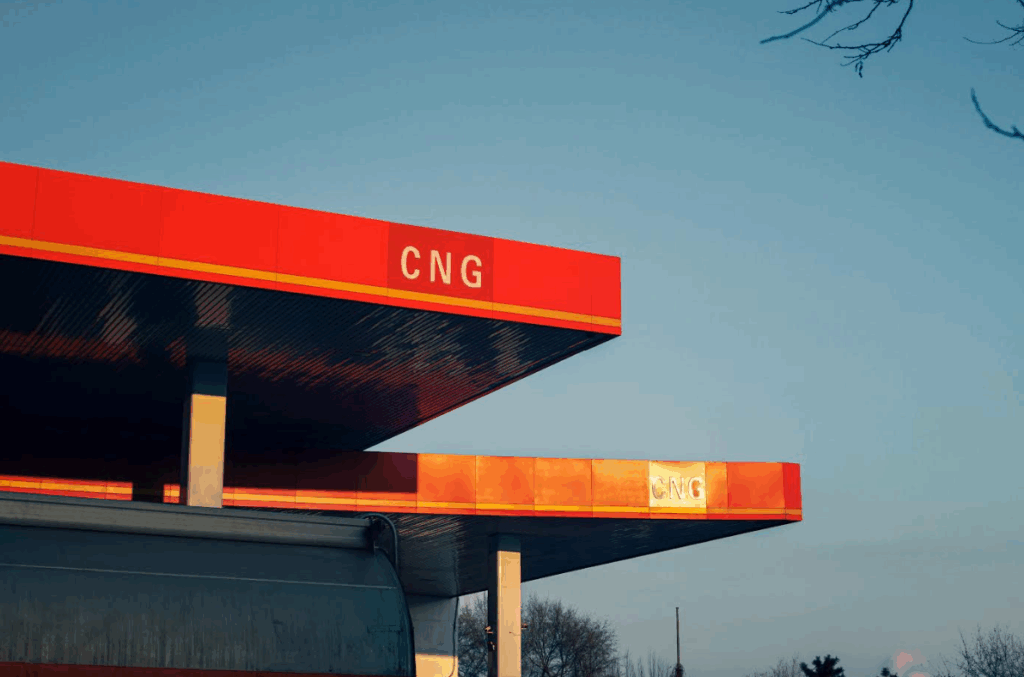
- Sustainable transport: used as fuel in heavy vehicles, urban buses or delivery trucks, helping to reduce emissions in the logistics sector.
- Injection into the grid: being compatible with natural gas, it can be distributed through existing infrastructures without the need for large additional investments.
In addition, the benefits of biomethane are multiple:
- Reduces dependence on fossil fuels.
- Favors sustainable waste management.
- Decreases methane emissions to the atmosphere, a gas with a much greater greenhouse effect than CO₂.
- Promotes the circular economy, turning a problem (waste) into an opportunity (clean energy).
The role of biomethane in the energy transition
The European Union has placed biomethane as one of the pillars to achieve climate neutrality by 2050. In fact, the EU’s objective is to multiply its production in the next decade, betting on biomethane plants distributed throughout the territory.
Biomethane not only replaces fossil natural gas, but also brings added value in key areas:
- Strengthens energy security by reducing dependence on imports.
- Drives rural development and technological innovation.
- Contributes to meeting decarbonization targets in sectors that are difficult to electrify, such as heavy industry or long‑distance transport.
In this context, biomethane plants play a central role. They are facilities where biogas is processed to convert it into quality biomethane suitable for consumption. In addition, they allow regions to take advantage of their own local resources, generating employment and promoting a decentralized energy model.
Calpech: transforming waste into clean energy
At Calpech we believe that biomethane is much more than a renewable gas: it is proof that waste can become valuable resources. As explained in controlled fermentation processes, the organic matter that once posed an environmental problem can now be transformed into biogas and, after purification, into high‑quality biomethane. This not only reduces soil, water and air pollution, but also opens the door to sustainable and competitive energy.
Our commitment is clear: to back innovative solutions that drive the circular economy, reduce dependence on fossil fuels and support a just energy transition. Through the development of biogas and biomethane projects, at Calpech we work so that sustainability is also an opportunity for economic growth and value creation for companies, institutions and local communities.
Biomethane is transforming how we understand energy and at Calpech we want to be an active part of that change. Write to us or visit our website if you want more information or need to resolve any doubts.
Related Posts
También te puede interesar
Why is Spain still far…
Read MoreComparison between biogas and other…
Read MoreReducing costs with nanoparticles in…
Read MoreIncreasing biogas with iron nanoparticles
Read MoreManagement of Agroindustrial Sludges and…
Read MoreProcess Improvements in Anaerobic Digestion
Read More