
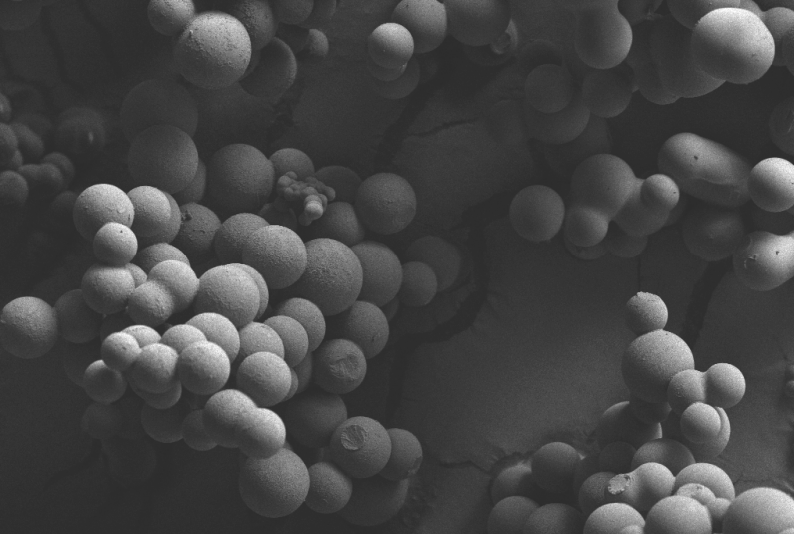
What is hydrogen sulfide (H₂S) and how to remove it

Hydrogen sulfide (H₂S) is a chemical compound of extreme relevance in the context of renewable energy production through biogas. Its presence in biogas streams generated by anaerobic digestion processes can bring serious operational and economic problems for plants. Therefore, it is important to understand its origin, impact and methods to remove it and maintain the efficiency and stability of the process.
Hydrogen sulfide in biogas: origin and main characteristic
During anaerobic digestion, microorganisms break down organic matter in the absence of oxygen, producing mainly methane (CH₄) and carbon dioxide (CO₂). However, other by-products are also generated, such as hydrogen sulfide.
Hydrogen sulfide is highly corrosive, toxic and has a characteristic unpleasant smell of rotten eggs. This poses serious challenges in the operation of biogas plants:
– Accelerated corrosion: H₂S can cause severe corrosion in pipelines, engines and cogeneration equipment. This significantly reduces the service life of components and increases maintenance costs.
– Reduction of biogas quality: The presence of H₂S reduces methane purity, degrading biogas quality.
– Process instability: High levels of hydrogen sulfide can inhibit certain bacterial strains, compromising the stability and performance of anaerobic digestion.
For these reasons, the removal of hydrogen sulfide H₂S in the biogas production process is crucial to maintain both energy efficiency and plant longevity.
Techniques and challenges in removing hydrogen sulfide (H₂S)
There are several strategies for the reduction of hydrogen sulfide in biogas, ranging from physical methods, such as the use of activated carbon filters or scrubbers, to biological and chemical systems.
Among them, the application of specific additives that act directly inside the digester stands out. This approach prevents H₂S from forming, thus avoiding corrosion and improving biogas quality.
However, not all adsorbents or chemical products are suitable for an environment as sensitive as the anaerobic digester. Effective solutions must meet certain requirements:
– Do not inhibit the microbial activity key to anaerobic digestion.
– Regulate pH to avoid negative impacts on bacterial metabolism.
– Offer simple and safe dosing for operators.
– Be compatible with substrates and other treatments applied in the plant.
Process stability and biogas quality as key objectives
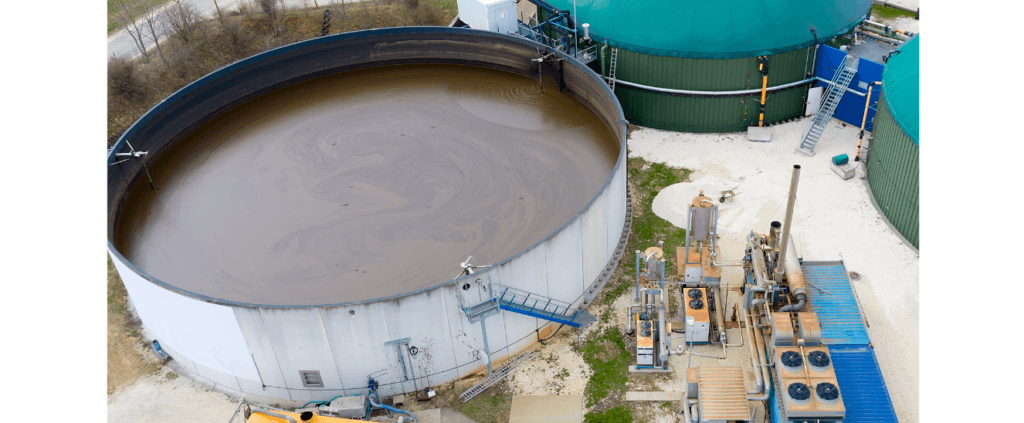
Effective removal of hydrogen sulfide (H₂S) directly helps improve process stability, preventing fluctuations or inhibitions caused by toxic compounds. This control also allows for greater conversion of organic matter into methane, increasing energy production and the resulting biogas quality.
In addition, the reduction of hydrogen sulfide:
– Protects equipment by preventing corrosion.
– Minimizes unpleasant odors during operation.
– Facilitates compliance with environmental and biogas quality regulations.
– Optimizes maintenance and reduces operational costs.
Therefore, proper management of hydrogen sulfide in biogas is a central task that impacts profitability and operational continuity.
Calpech innovations for managing hydrogen sulfide (H₂S) in biogas
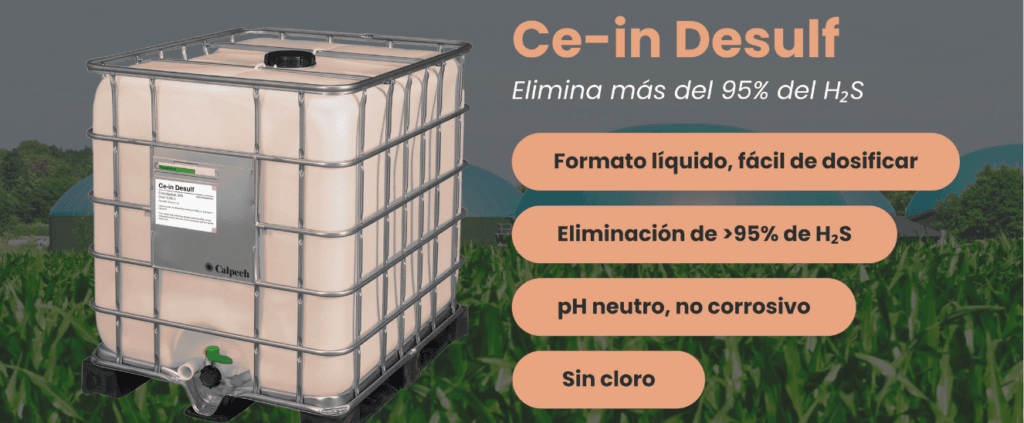
Calpech has developed an advanced additive based on nanotechnology for the efficient removal of hydrogen sulfide (H₂S) inside the anaerobic digester. The additive Ce-in Desulf is a liquid product that contains iron nanoparticles and other ferrous compounds that capture and neutralize hydrogen sulfide directly in the liquid and gas phases of the digester.
This additive offers clear technical and operational advantages:
– Removes more than 99% of H₂S, depending on plant conditions.
– Contains no chlorine, is of neutral pH and non-corrosive, which ensures operator safety and does not negatively affect the digester microbiology.
– Complements and reduces the load on external desulfurization systems, lengthening their useful life and reducing costs.
– Improves process stability and reduces operational incidents, maintaining biogas production efficiency.
– Simple daily dosing with direct application into the pre-mix well without the need for additional infrastructure.
Conclusions
The presence of hydrogen sulfide in biogas is a technical challenge, and its removal prevents corrosion in biogas plants and protects equipment. In addition, it improves biogas quality and contributes to process stability, generating a direct positive impact on plant efficiency and profitability.
Calpech addresses these needs through the development of innovative additives that incorporate nanotechnology to reduce H₂S internally in the digester. Additives that offer safety, efficacy and ease of use. These products not only improve H₂S removal but also optimize methane production and stabilize the process, contributing to more efficient, sustainable operation with lower maintenance costs.
For more technical information about Calpech solutions for hydrogen sulfide removal and biogas optimization, you can consult:
– Ce-in Desulf
– Ce-in Biogas
Related Posts
También te puede interesar
Why is Spain still far…
Read MoreComparison between biogas and other…
Read MoreReducing costs with nanoparticles in…
Read MoreIncreasing biogas with iron nanoparticles
Read MoreManagement of Agroindustrial Sludges and…
Read MoreProcess Improvements in Anaerobic Digestion
Read More