
Anaerobic digestion: what it is and how it works

Anaerobic digestion is one of the most efficient technologies to make use of organic waste and transform it into clean energy. This oxygen-free biological process converts biomass into biogas and other high-value byproducts, such as digestate, contributing to the circular economy and the reduction of polluting emissions.
Discover below what anaerobic digestion is, what its stages are, its benefits, and how an anaerobic digestion plant can become a strategic element for companies and administrations that commit to sustainability.
What is anaerobic digestion
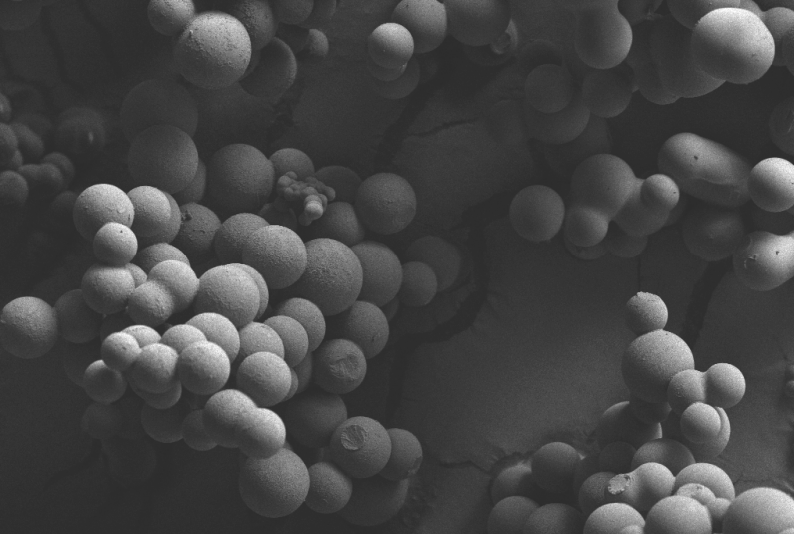
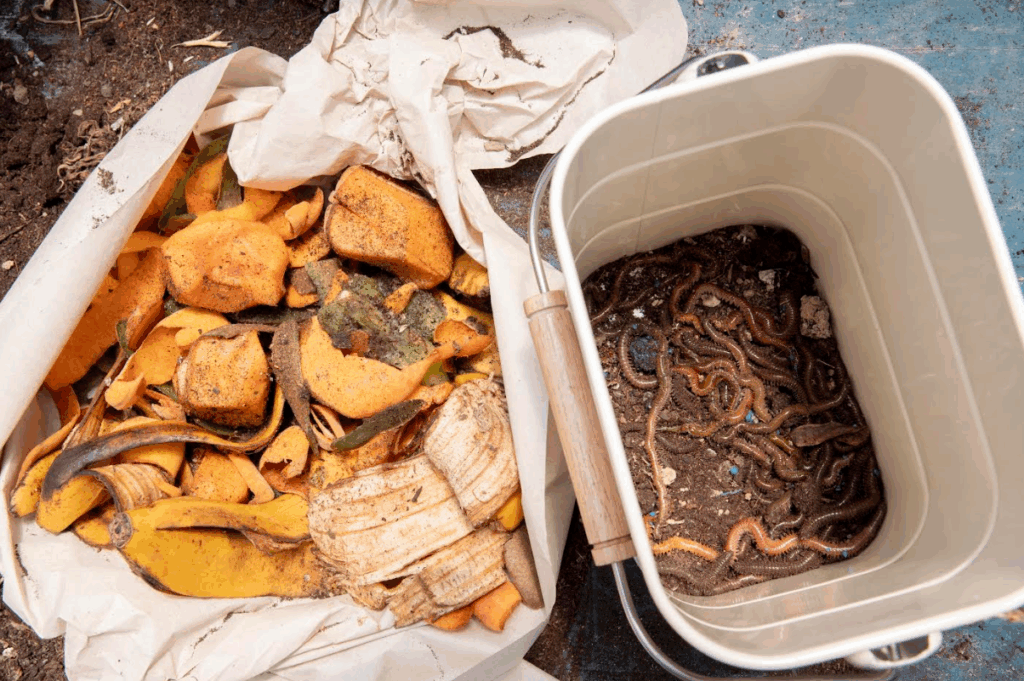
Anaerobic digestion is an oxygen-free biological process in which bacteria and other microorganisms degrade biomass (such as manure, plant residues or organic industrial waste) to generate biogas and digestate.
The resulting biogas is mainly composed of methane (CH₄) and carbon dioxide (CO₂), and can be used as a renewable energy source to produce electricity, heat or even biomethane for grid injection. Meanwhile, digestate is a nutrient-rich byproduct that can be used as an organic fertilizer.
The anaerobic digestion plant is the place where this process takes place. It is designed to control optimal conditions of temperature, moisture and pH, promoting the activity of the microorganisms. Its design and efficiency determine the quality of the produced biogas and the sustainability of the system.
Stages of anaerobic digestion
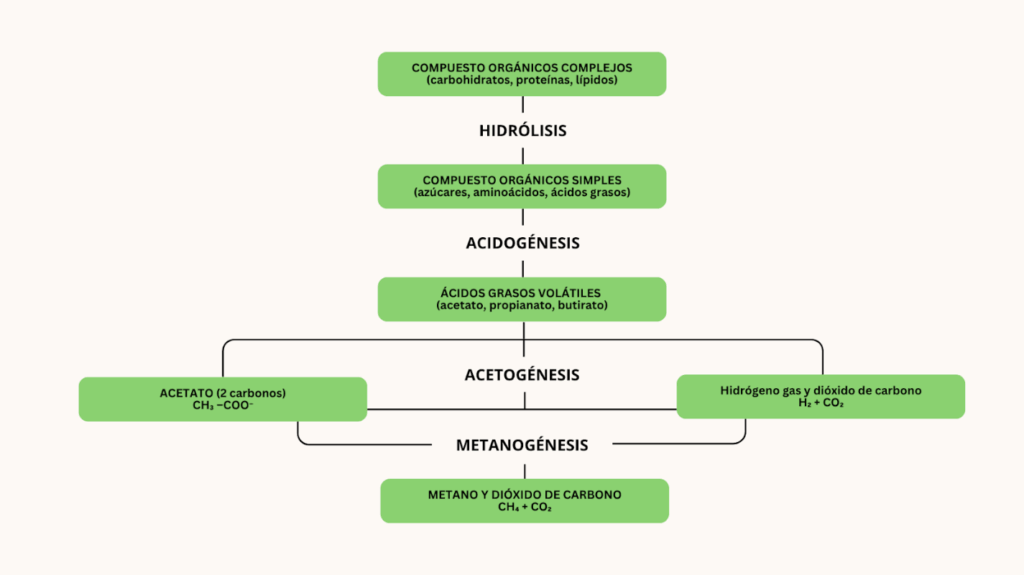
The anaerobic digestion process unfolds in several successive stages, in which different groups of microorganisms transform complex organic matter into simple compounds, until producing methane. The main phases of anaerobic digestion are four: hydrolysis, acidogenesis, acetogenesis and methanogenesis.
Hydrolysis
Hydrolysis is the first phase of anaerobic digestion. In this stage, microorganisms break down the complex macromolecules present in the biomass (such as proteins, lipids and carbohydrates) into simpler and soluble molecules: amino acids, fatty acids and sugars.
It is a key phase because it determines the rate of the entire process. If hydrolysis is slow or incomplete, biogas yield will decrease. That is why, in an efficient anaerobic digestion plant, the design must favor good mixing and stable temperature to optimize this initial transformation.
Acidogenesis
In acidogenesis, the products obtained in hydrolysis are fermented by acidogenic bacteria, generating intermediate compounds such as volatile fatty acids, alcohols, hydrogen and carbon dioxide.
During this phase, pH tends to decrease due to acid formation, so it is essential to maintain a balance for the process to continue without inhibition. This stage is very dynamic and lays the foundations for biogas production in the subsequent phases.
Acetogenesis
Acetogenesis converts the compounds formed in the previous stage into acetic acid, hydrogen and carbon dioxide. These products are the direct precursors of methane.
Acetogenic bacteria act in this phase, working in close relation with methanogens. The efficiency of the exchange between these two groups of microorganisms is essential to achieve a balanced and productive anaerobic digestion of biomass.
Methanogenesis
Methanogenesis is the final phase of the process. Here, methanogenic microorganisms transform acetic acid and hydrogen into methane (CH₄) and carbon dioxide (CO₂).
This stage is what gives rise to biogas, a renewable fuel with high energy content. The quality of the biogas will depend on factors such as temperature, organic loading and reactor stability.
A well-managed anaerobic digestion plant ensures that all these stages develop continuously and in a controlled manner, maximizing biogas production and minimizing energy losses.
Benefits of anaerobic digestion
Anaerobic digestion not only produces renewable energy; it also offers multiple environmental, economic and social benefits. Below are the most important ones.
Biogas production and renewable energy
One of the main benefits of the anaerobic digestion process is the production of biogas, a renewable and versatile energy resource.
Biogas can be used directly in cogeneration engines to generate electricity and heat, or be purified to obtain biomethane, a gas with characteristics similar to natural gas. This biomethane can be injected into distribution networks or used as vehicle fuel, contributing to the decarbonization of transport and industry.
In this way, biogas anaerobic digestion becomes an effective tool to advance toward a more sustainable energy model and reduce dependence on fossil fuels.
Reduction of waste and environmental impact
Anaerobic digestion of biomass is also an efficient solution for the management of organic waste. By treating these materials under controlled conditions, their disposal in landfills or incineration is avoided, reducing greenhouse gas emissions.
Additionally, by capturing the methane generated in the process (a gas with a much higher global warming potential than CO₂) it directly contributes to mitigating climate change.
The implementation of anaerobic digestion plants in rural or industrial environments also helps to valorize agricultural, livestock or food byproducts, closing the resource loop and promoting the circular economy.
Use of digestate as fertilizer
Digestate, the material resulting from the process, retains a large part of the nutrients present in the original biomass, such as nitrogen, phosphorus and potassium.
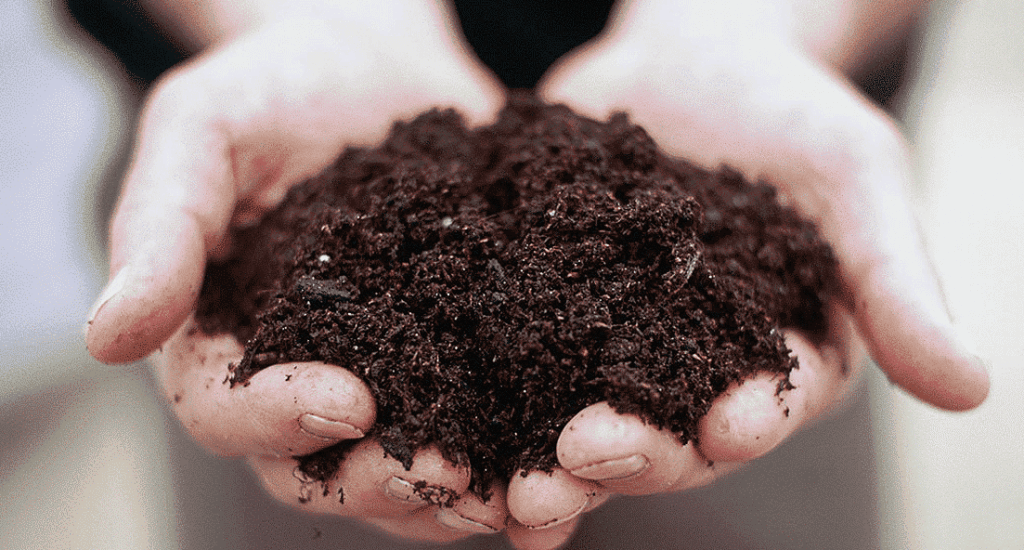
After appropriate treatment, it can be used as an organic fertilizer, improving soil structure and fertility. Its use helps reduce dependence on chemical fertilizers while promoting more sustainable agricultural practices.
Thus, we can state that anaerobic digestion allows obtaining clean energy, reducing waste and generating usable products for agriculture, offering a triple environmental, energy and economic benefit.
Calpech: innovation in biogas and waste valorization
At Calpech, we believe that anaerobic digestion is much more than a technology: it is a key tool to drive the energy transition and sustainable resource management.
That is why we work to develop solutions that increase efficiency, profitability and sustainability in each project.
Our team combines technical experience, applied research and technological innovation to design and optimize anaerobic digestion plants adapted to the characteristics of each type of biomass. From the pretreatment of waste to the final valorization of biogas and digestate, we accompany our clients throughout the entire process cycle.
Among our main lines of work are:
- Optimization of biogas yield, improving the quality of the methane produced.
- Development of control and monitoring technologies that ensure process stability and efficiency.
- Comprehensive valorization of digestate, promoting its use as an organic fertilizer with high agronomic value.
- Modular and scalable plant design, adapted to agricultural, industrial or municipal environments.
The goal we set is clear: turn waste into clean energy and sustainable opportunities for companies and the environment.
If you want to discover how our solutions can help you harness the energy potential of your waste, visit www.calpech.com and learn more about our commitment to greener, more efficient and circular energy.
Related Posts
También te puede interesar
Why is Spain still far…
Read MoreComparison between biogas and other…
Read MoreReducing costs with nanoparticles in…
Read MoreIncreasing biogas with iron nanoparticles
Read MoreManagement of Agroindustrial Sludges and…
Read MoreProcess Improvements in Anaerobic Digestion
Read More