
How a Biogas Plant Works, What Types There Are, and the Situation in Spain

The future of energy lies in making the most of the resources we already have, and biogas plants are a clear example of how to turn waste into clean energy while driving the circular economy. This technology not only helps reduce emissions and generate energy independence, but also opens the door to new opportunities for sectors such as agriculture, industry and waste management.
In this context, Spain has enormous untapped potential, and innovative technologies like those offered by Calpech are poised to accelerate this path. If you want to know more about biogas plants, you can’t miss this post.
What are biogas plants?
Biogas plants are facilities designed to transform organic matter into a gaseous mixture composed mainly of methane and carbon dioxide. This biogas can be used as a partial substitute for natural gas and, after a purification process, become biomethane with both domestic and industrial applications.
The interesting thing about these plants is that they use renewable feedstocks and, in many cases, waste that would otherwise pose an environmental problem: agricultural residues, sewage sludge, municipal organic waste or livestock by-products.
This way, a double benefit is achieved:
- Clean energy is generated.
- The environmental impact of these wastes is reduced.
Even the solid or liquid by-product of digestion, known as digestate, can be used as a fertilizer, thus closing the green economy loop.
How a biogas plant works
The operation of these facilities is simple in concept, although it requires advanced technology to ensure process efficiency.
- Pretreatment
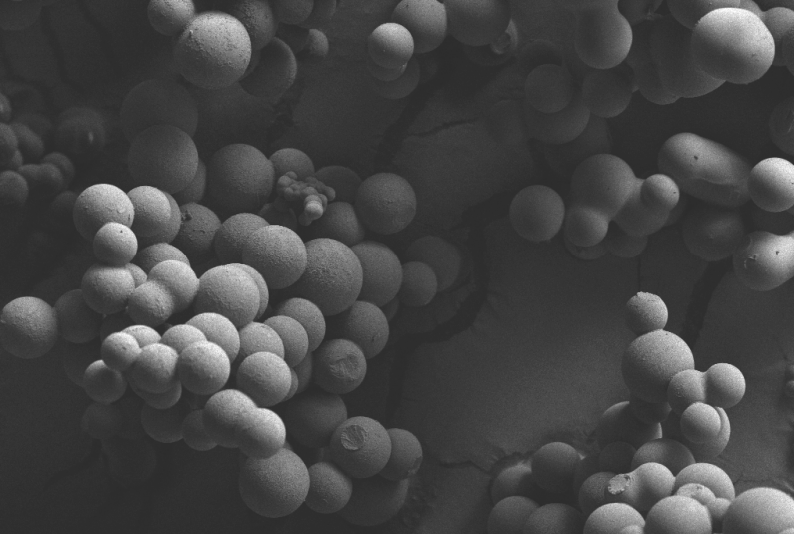
The process in a biogas plant begins with pretreatment. Here the organic matter is mixed and conditioned to facilitate its degradation before entering the digesters, large closed tanks where anaerobic bacteria act to transform the waste in the absence of oxygen.
- Anaerobic digestion
In the digesters the anaerobic digestion takes place, a key stage of the process. The bacteria produce methane and carbon dioxide, which together form biogas. This can be used to produce electricity, heat or be purified to obtain biomethane. Having properties very similar to fossil natural gas, biomethane can be injected into the grid and used in industry, heating or transport.
- By-product utilization
The digestate, another product obtained, is rich in nutrients and can be used as an agricultural fertilizer. In this way, biogas plants help close the cycle between waste, energy and agriculture.
Basic layout of a biogas plant
Although the size and complexity of each facility may vary, all biogas plants share essential elements:
- Anaerobic digesters: they are the core of the process. In these large closed tanks, bacteria without oxygen transform organic matter into biogas.
- Gas storage systems: allow biogas to be stored safely before being directed to its use, regulating the flow to engines, boilers or purification units.
- Generation equipment: biogas can power cogeneration engines or turbines that produce electricity and heat, useful both for self-consumption and for sale to the grid.
- Upgrading units: if the aim is to obtain biomethane, the gas goes through a purification process that increases its methane content to levels comparable to natural gas.
- Digestate storage: the final residue, rich in nutrients, is stored and used as an agricultural fertilizer, closing the cycle between energy and waste.
Types of biogas plants and their applications
Although all biogas plants share the same principle, there are different types depending on the feedstock source.
- Agro-industrial plants
They use slurry, manure and crop residues. They are common in rural areas and help to valorize residues from the primary sector.
- Urban plants
They are located in landfills or wastewater treatment plants. They use municipal solid waste and sewage sludge, reducing the environmental impact of cities.
- Large-scale plants
Large installations that combine different types of waste. They are oriented towards biomethane production and have the capacity for direct injection into the gas grid.
Situation of biogas plants in Spain
The development of biogas in Spain is progressing slowly compared to other European countries. Despite the country’s enormous agricultural and livestock potential, the contribution of this renewable source to the energy mix remains limited.
According to data from IDAE, in 2021 biogas production accounted for barely 0.3% of all energy generated in Spain, which represented around 2% of the natural gas consumed. These figures contrast with the weight that biogas has in countries like Germany or France, where plant deployment is much broader.
How many biogas plants are there in Spain?
In September 2021 there were 146 biogas plants in operation. Most are located in landfills (46 facilities) and in wastewater treatment plants (34 facilities). There are also 13 plants linked to the agricultural sector, although their number remains low considering the large agricultural area in Spain.
By comparison, Germany has more than 9,000 facilities and France exceeds a thousand, which shows the wide margin for growth in our country.
Cost of a biogas plant
The investment cost of a biogas plant depends on factors such as treatment capacity, the type of waste used and the final destination of the produced gas. As a reference, a medium-sized facility requires investments of several million euros, to which operation and maintenance costs are added.
Although the initial figure may seem high, profitability is determined by revenues from the sale of electricity, heat or biomethane, as well as by savings in waste management and the valorization of digestate as fertilizer.
Differences between a biogas plant and a biomethane plant
Although they are often mentioned as synonyms, biogas and biomethane plants serve different functions within the energy valorization chain. Both start from the same wastes and use anaerobic digestion, but they differ in subsequent treatment and in the final uses of the gas they produce.
- Process
- Biogas: is obtained directly from anaerobic digestion, with a mixture of methane and carbon dioxide.
- Biomethane: includes an additional upgrading or purification step that removes CO₂ and raises the methane concentration.
- Gas composition
- Biogas: contains between 50% and 70% methane, in addition to CO₂ and traces of other compounds.
- Biomethane: exceeds 95% methane, reaching the quality of fossil natural gas.
- Main uses
- Biogas: generation of electricity and heat in engines or boilers.
- Biomethane: injection into the gas grid and applications in transport or industry.
Calpech: innovation for more efficient and sustainable biogas
Innovation is key for the biogas sector to reach its full potential. In this regard, Calpech develops solutions that improve the efficiency of existing plants.
Benefits of the CE-IN Biogas additive
- Higher production: increases biogas generation in digesters by up to 30%.
- Cost reduction: decreases the formation of hydrogen sulfide, a corrosive gas that raises equipment maintenance costs.
- Sustainability: enables more efficient use of waste, increasing profitability and reducing environmental impact.
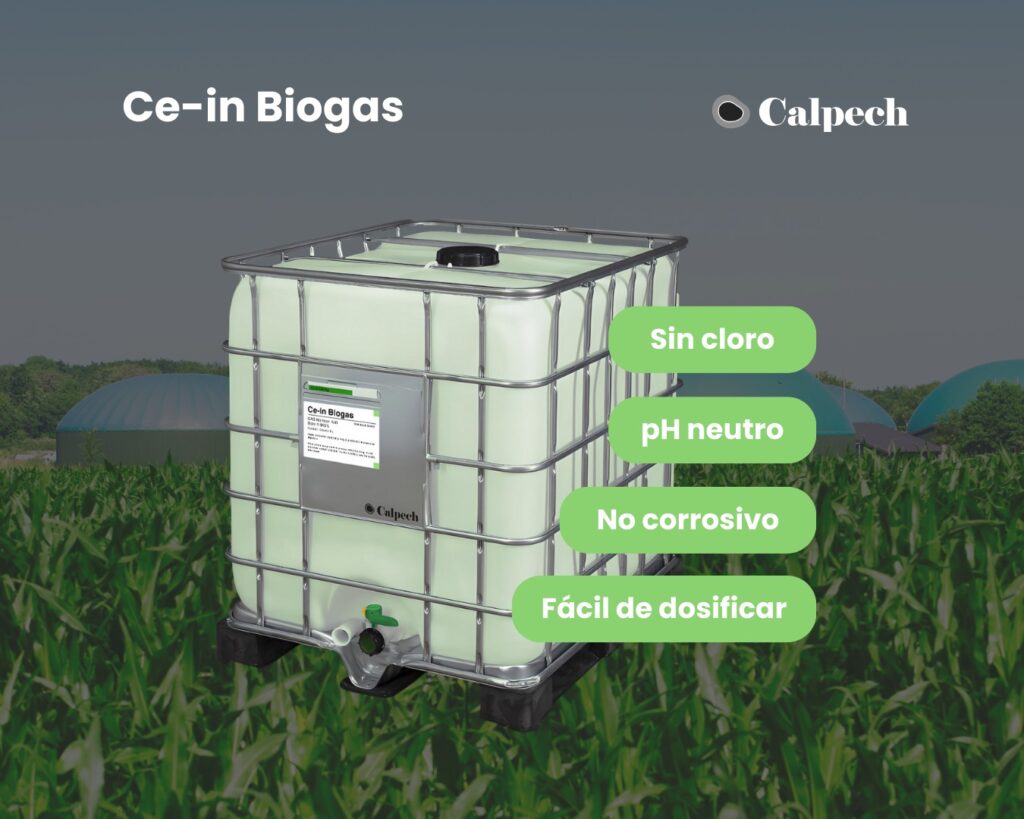
In this way, plants not only produce more energy, but do so with lower operating costs and greater sustainability. This innovation places Calpech in a strategic position to support companies, administrations and investors in developing a sector that is set to play a leading role in Spain’s energy transition.
If you want to learn more about our solutions, we invite you to visit the Calpech website. And if you are looking for advice to improve the profitability of your plant, do not hesitate to contact us.
Related Posts
También te puede interesar
Why is Spain still far…
Read MoreComparison between biogas and other…
Read MoreReducing costs with nanoparticles in…
Read MoreIncreasing biogas with iron nanoparticles
Read MoreManagement of Agroindustrial Sludges and…
Read MoreProcess Improvements in Anaerobic Digestion
Read More