
What biogas is and how it is produced

Biogas is a renewable energy source that is transforming the way we manage waste and produce clean energy. Its production from organic matter not only helps reduce pollution, but also opens new opportunities for waste valorization and for replacing fossil fuels.
In this article we explain what biogas is, its composition, uses, types, production process and benefits, as well as the innovations that are making this resource a key piece of the energy transition.
Definition of biogas
Biogas is a renewable gas produced from the decomposition of organic matter in the absence of oxygen (a process called anaerobic digestion).
It is composed mainly of methane (CH₄) and carbon dioxide (CO₂), together with small amounts of other compounds such as hydrogen sulfide or ammonia.
Thanks to its methane content, biogas is used as a fuel to generate heat, electricity or biomethane (a substitute for natural gas).
How biogas is formed
Organic matter from living organisms, such as food waste, agricultural pruning residues or the sludge obtained during wastewater treatment, has two degradation pathways: aerobic and anaerobic.
- In the aerobic pathway, organic matter is oxidized by the oxygen in the air, producing carbon dioxide and water, as occurs during cellular respiration or with aerobic bacteria.
- In the anaerobic pathway, in the absence of oxygen, anaerobic microorganisms degrade organic matter through oxidation and reduction processes. In particular, methanogenic bacteria transform organic matter into carbon dioxide (CO₂) and methane (CH₄), along with other nitrogenous compounds.
The result is a gaseous mixture rich in methane and carbon dioxide that we know as biogas, a renewable fuel capable of oxidizing with oxygen to release energy in the form of heat or electricity.
Composition of biogas
The composition of biogas depends on the organic matter used and the process conditions. In general terms, it includes:
- Methane (45% – 75%)
- Carbon dioxide (25% – 50%)
- Byproducts such as ammonia or hydrogen sulfide, depending on the nitrogen and sulfur content of the waste.
Methane is the key component, as it gives biogas its energy value and makes it a viable substitute for natural gas.
Where biogas is obtained from
Biogas can be obtained from a wide variety of sources of organic matter. Although it can be generated from agricultural products, the most interesting option is to use wastes that have no other useful function, such as:
- Agricultural pruning residues
- Wastewater from the agri-food industry
- Urban food waste
- Wastewater treatment sludge
In this way, an environmental problem is addressed by reducing the potential pollution of water, soil and air, while producing a renewable energy source.
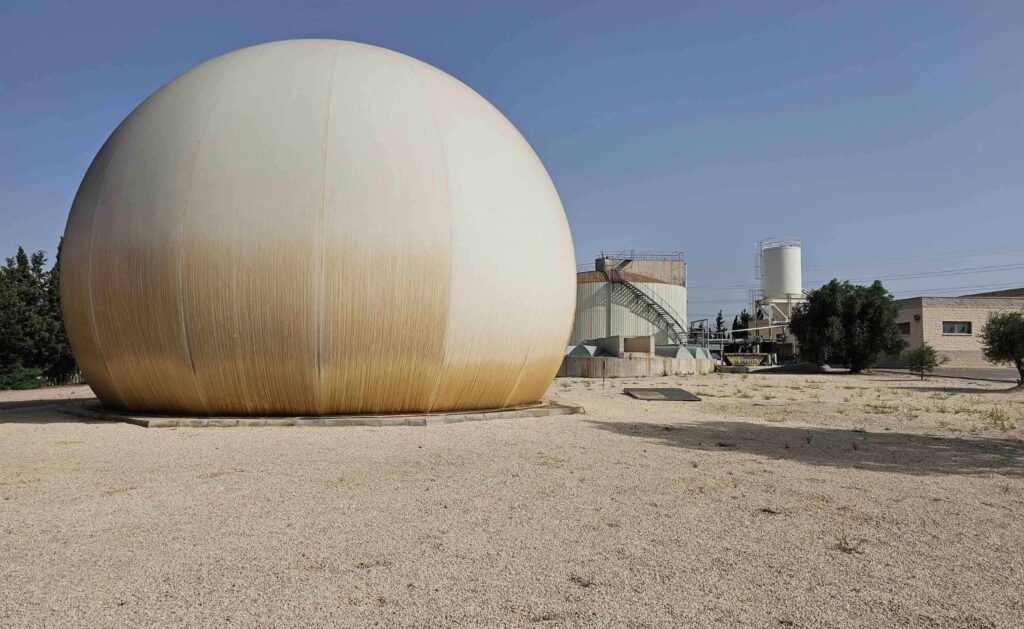
Currently, the organic fraction of landfill waste and wastewater have become the main sources of biogas production. At wastewater treatment plants, after several biological treatments to reduce organic matter, clarified water is obtained and as a byproduct the sludge or biosolids appear, rich in organic matter. These can be sent to landfill as waste or used as feedstock in an anaerobic digester within the treatment plant itself, generating biogas that is used on-site to produce electricity and heating
What biogas is used for
Biogas has several uses that make it a very versatile renewable energy source:
Heat generation
Thanks to the presence of methane, biogas can oxidize with oxygen and release heat that is used directly for heating or thermal processes.
Electricity production
When burned in engines, biogas generates electrical energy that can be used on-site or injected into the grid.
Replacement of natural gas
Through treatment in biomethane plants, the carbon dioxide content is reduced until a composition similar to that of natural gas is achieved.
- This treated biogas is called biomethane.
- It has energy properties similar to natural gas, such as its calorific value.
Sustainable waste management
By obtaining energy from anaerobic digestion, a dual objective is achieved:
- Reduce the polluting potential of organic waste.
- Generate an energy resource useful for human activities.
Types of biogas
Depending on its origin and treatment, biogas can be classified in different forms:
Landfill biogas
It is generated naturally in landfills from the decomposition of the organic fraction of waste.
Biogas from anaerobic digestion plants
Obtained in a controlled way from agricultural, industrial or urban wastes in specific facilities.
Biogas from treatment plants
Comes from the sludge or biosolids generated in wastewater treatment plants, which still contain a large amount of organic matter.
- These sludges can be sent to landfill or used in an anaerobic digester.
- The biogas produced is used in the plant itself to obtain electricity and heating.
What type of energy biogas is
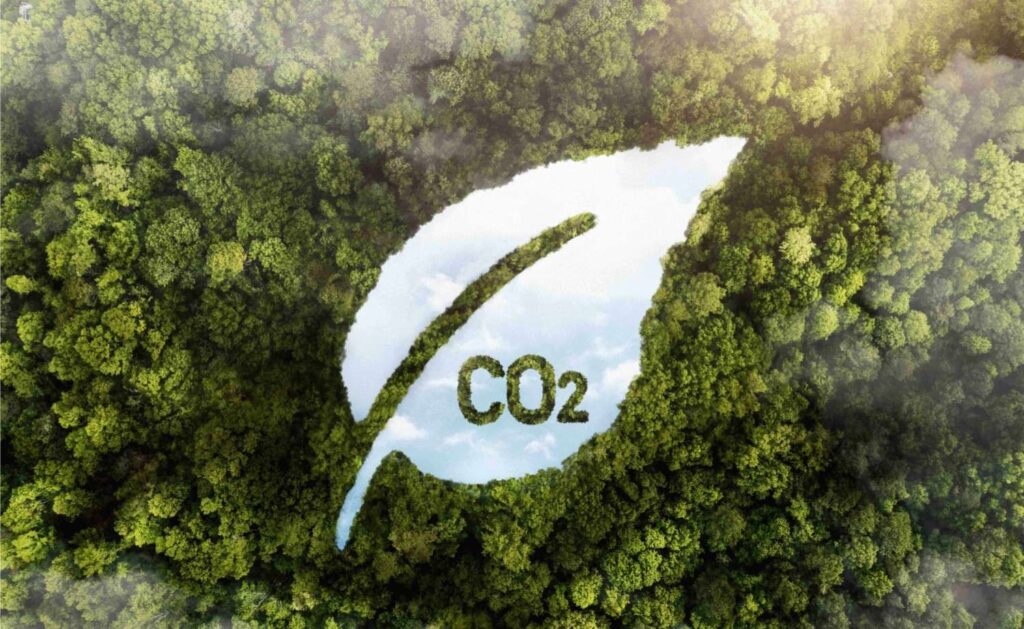
Biogas is a renewable energy. Unlike natural gas, which is a non-renewable fossil fuel, biogas comes from organic waste that is constantly regenerated. In addition, the carbon it contains originally comes from atmospheric CO₂ absorbed by plants, so when burned it maintains a neutral emissions balance.
Biogas production: the anaerobic digestion process
Biogas production is based on a natural process: anaerobic digestion. In the absence of oxygen, microorganisms degrade organic matter and generate a gaseous mixture rich in methane and carbon dioxide. This procedure not only allows the use of organic waste but also converts it into a renewable energy source with multiple applications.
Raw materials and sources of biogas
Today, wastewater treatment sludge and the organic fraction of urban waste have become the main sources for producing biogas.
At wastewater treatment plants, one of the byproducts is sludge, rich in organic matter. These can be sent to landfill or used in anaerobic digesters to generate biogas, which is used on-site to produce heat and electricity.
Stages of the production process
The anaerobic digestion process includes:
- The input of organic waste into the digester.
- The action of anaerobic microorganisms that degrade the matter.
- The generation of biogas, which can be stored, purified or used directly.
Environmental benefits and circular economy
Anaerobic digestion of waste not only allows the production of renewable energy, but also plays a key role in sustainable waste management.
Among its main benefits are:
Pollution reduction
By treating waste in a controlled way, its ability to pollute water, soil and air is reduced.
Waste valorization
When reduction, reuse or recycling are not possible, anaerobic digestion turns waste into a useful energy resource.
Promotion of the circular economy
Biogas transforms an environmental problem into an opportunity, reducing the amount of waste and preventing pollution.
Lower carbon footprint
By replacing part of natural gas consumption, biogas helps avoid greenhouse gas emissions.
In this way, biogas production is a twofold strategy: it treats waste and, at the same time, generates clean energy, fully integrating into the principles of the circular economy.
Innovations and improvements in biogas production
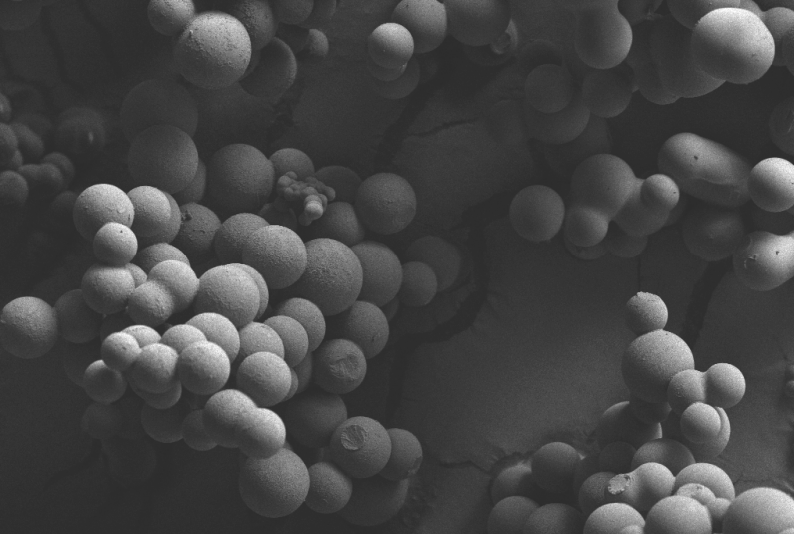
At Calpech, a spin-off of the University of Alicante, we have developed a pioneering advance: iron nanoparticles encapsulated in carbon obtained from waste from the olive oil industry.
These nanoparticles allow increasing the volume of methane by up to 40% with the same amount of organic matter, making the process more efficient and profitable.
Thanks to this innovation, biomethane production moves closer to European climate targets: 40% renewable energy and a 55% reduction in emissions compared to 1990 levels.
The role of biogas in the energy transition
Biogas and biomethane are positioned as essential elements for the energy transition. They allow the use of local waste, reduce dependence on fossil gas and offer a sustainable alternative to mitigate climate change.
Investing in biogas is a bet on a greener, safer and economically viable energy future.
At Calpech we work to make biogas production more efficient, sustainable and profitable. Discover more about our solutions and about what an optimized biogas plant is on our website.
Related Posts
También te puede interesar
Why is Spain still far…
Read MoreComparison between biogas and other…
Read MoreReducing costs with nanoparticles in…
Read MoreIncreasing biogas with iron nanoparticles
Read MoreManagement of Agroindustrial Sludges and…
Read MoreProcess Improvements in Anaerobic Digestion
Read More